The Dangers of Indoor Air Pollution

Take a deep breath – do you feel the toxins, pollutants, and dirt that exist in the indoor air of your home? Probably not, but they exist.

In fact, the Environmental Protection Agency released a statement that “indoor air pollution is one of our biggest environmental health threats … bigger than toxic wastes sites and the destruction of the ozone layer.”

Because people spend 90% of their time indoors, it’s important to maintain a clean air system throughout your entire home. You wouldn’t subject your family to toxins and pollutants that you can touch and feel – why should the air in your home be any different?

The Effects of Indoor Air Pollution to Your Health Read more »

How to Prevent Carbon Monoxide Poisoning in your Home

Risk of carbon monoxide poisoning increases during the winter and stormier seasons as use of gas furnaces and generators increases dramatically. Although you cannot see or smell carbon monoxide, it is responsible for more deaths than any other poison. This colorless, odorless poison is dangerous at any level including low levels which can get a person very sick, moderate levels can result in permanent neurological dysfunctions, or worse at high levels carbon monoxide may result in death.

Carbon monoxide poisoning can result whenever any fuel such as gas, kerosene, oil, wood, or charcoal is burned. The amount of carbon monoxide emitted from appliances that burn fuel yet are maintained and used properly is typically not hazardous. However, if appliances are either used incorrectly or not working properly, then dangerous levels of carbon monoxide can result. In fact, literally hundreds of accidental deaths are caused every year from carbon monoxide poisoning that results from malfunctioning or improperly used fuel-burning appliances.

Below are a few tips on how you can protect your family and yourself from carbon monoxide poisoning:
Read more »

Leaky Air Duct Dangers

With summer quickly approaching, New York homeowners are getting ready for the hot days ahead and thinking about the rising costs of air conditioning bills. However, before the hot months are upon us, it’s a good idea to evaluate your current air conditioner system to make sure you don’t have leaky ducts. Read more »

How Long Should Your Hot Water Heater Last?

It would be nice to know when the time is right to replace your water heater before it springs a leak and causes an inconvenience or worse yet, damage to your home.  Typically a residential hot water heater lasts between 6 and 12 years.  Beyond 12 years, you are on borrowed time! The longevity of your tank is affected by things like the type of water running through it and whether you have maintained a schedule of draining and flushing the tank every year as recommended by tank manufacturers.  In reality, this is seldom done by homeowners.  Congratulations if you are among those that do!

Water heater problems normally become self-evident:  you turn the hot water faucet on and it fails to summon hot water, you see dripping or puddles near the water heater or the tank emits unusual gurgling or popping sounds. These are the most common warning signs that your hot water heater is likely in need of replacing.

If you determine you have some of these warning signs you have time to review your choices of type, size and model rather than rushing to find a replacement on a Friday night after it has leaked all over your home.

Here are some signs that you may be ready for a new hot water heater:

  • AGE: On average, your hot water heater should last anywhere between 6 to 12 years.
  • WATER: When you use your hot water, does the water look a bit tinted?  If so, there may be rust in your water heater, this is likely an indicator that your water heater is showing signs of wear and may begin leaking.
  • GURGLING or POPPING: These noises are caused by the buildup of hard water sediment heating up inside your water heater tank.
  • MOISTURE: Look around the base of your hot water heater for dampness, this may be a symptom of a slow or intermittent leak.
  • COLD WATER: An unexpected cold shower is not only bad way to start your day, it’s an indicator that your hot water heater needs to be checked out by a professional.
  • PUDDLES:  It’s time to call Crisafulli Bros., to look into replacing your water heater ASAP!

What kind of hot water heater do you need?
These are some key questions you should consider in your decision making process.

  • Are you looking to invest in a conventional or tankless hot water heater?
  • How many gallons of hot water do you need during peak usage?
  • How many users are in your home? It has likely changed since your last installation.

To help you better answer these questions and find the right hot water heater for your home, contact us at your convenience.  We’ll gladly provide you with all the information you need to make an informed, educated decision.

The Benefits and Proper Uses of a Garbage Disposal

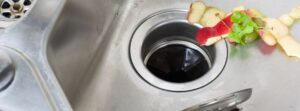
A garbage disposal is a great kitchen appliance that helps you dispose of food remnants that would otherwise have to sit in your kitchen garbage can.  Garbage disposals reduce the amount of food scraps put in the trash, which after a day or so,  begin to emit an unpleasant odor as well as attract a host of bugs and parasites. Read more »

Why is my Home so Dry? Do I Need a Humidifier?

Does the air in your Albany, New York, home always feel dry during the winter months? Do you wonder if a humidifier would help? Are you worried that the dry air is affecting your family’s health? Dry air in your home may be more of an issue than you realize.

During the summer, the warmer air holds moisture but during the winter months cold dry outside air infiltrates the house and couple that with the fact that we heat our homes causing hot air to rise and the dry colder air to settle into the lower areas of your house.  This is what causes the house to feel so dry. Read more »

Frozen Water Pipes-Expensive Winter Plumbing Bill

Avoid frozen water pipes this winter.  Protect your water pipes. According to the Farmer’s Almanac, they have predicted that this winter is expected to be one of our coldest on record. While that may not seem like big news to many New Yorkers, these recent frigid temperatures can wreak havoc on a variety of things around the home – especially your plumbing and the risk of freezing water pipes.

Plumbing 101 will tell you that as water freezes it expands. Therefore it is extremely important to protect your pipes during extreme temperatures in order to prevent them from breaking or bursting. Water pipes found in unheated areas of your home are susceptible to freezing which can lead to flood damage and expensive plumbing bills. Fortunately, the good news is there are simple, preventative measure (recommended by certified plumbers) you can take to avoid the costly expenses associated with frozen water pipes.

A few precautions you can make to preemptively protect your plumbing particularly when you know you will not be near your house to notice broken pipes, include: Read more »

Consumer Tax Credits for Energy Efficient Appliances Has Been Extended into 2011 With Revisions

Last year, the federal government instituted the American Recovery and Reinvestment Act of 2009 which provides a tax credit to help offset the costs of making energy efficiency improvements to your home – including energy-efficient windows, insulation, doors, roofs, and heating and cooling equipment. If you install any of these qualifying energy efficiencies in your existing home you could be eligible to receive a tax credit for a percentage off of the cost of your purchase.

The 2009 tax credit expired on December 31, 2010. However, the government recently signed a bill to extend this deadline to December 31, 2011. Read more »

Keep your Basement Dry this Spring by Maintaining or Installing a Sump Pump

Capital District residents are experiencing one of the wettest Springs in years. Even if your basement isn’t prone to flooding, it would be wise to make sure your sump pump is operating at maximum effectiveness.

Sump pumps are pumps used to extract accumulated water and are generally installed in the basement just under the ground in a hole referred to as the Sump Pit. When the sensor in the pit (often known as the “float”) rises above a certain level, the sump pump automatically turns on and drains out the water. Your sump pump should be tested annually by a plumbing professional in order to ensure it is running properly. Read more »

Programmable Thermostats – Save 10%-15% on your Heating & Air Conditioning Bills

In today’s economy, every dollar counts – especially when it comes to the rising cost of energy. Did you know that programmable thermostats are one of the most reliable energy savers available? With the high temperatures that are often synonymous with summer a small investment in this type of device makes perfect sense.

A programmable thermostat is designed to adjust your home’s temperature automatically to save energy when your family is sleeping or away from home. If used appropriately, a programmable thermostat can save you up to 10% – 15% on heating and cooling costs by simply adjusting your thermostat 10°–15° (plus or minus) for eight hours. Read more »