

Is your water working against you? Hard water—water containing high levels of dissolved minerals like calcium and magnesium—is a common problem for homeowners. While it’s not a health hazard, it can be a major headache for your plumbing, your wallet, and your beauty routine.
Because hard water is clear, you can’t see the minerals in your glass. However, the signs are all around your house if you know where to look. Here are the five key indicators that your home has a hard water problem.
1. Cloudy Glassware and Spotted Dishes
If your glasses come out of the dishwasher looking foggy or covered in white, circular spots, it isn’t because they’re dirty. These are mineral deposits left behind after the water evaporates. Over time, these minerals can actually “etch” the glass, causing permanent cloudiness that no amount of scrubbing can remove.
2. The “No-Lather” Soap Struggle
Have you noticed that your soap, shampoo, or dish detergent doesn’t get very sudsy?
- The Science: Hard water minerals chemically react with soap to create “soap curd” instead of a rich lather.
- The Result: You end up using twice as much soap to get clean, which wastes money and leaves a sticky film on everything from your skin to your shower tiles.
3. Limescale Buildup on Faucets and Fixtures
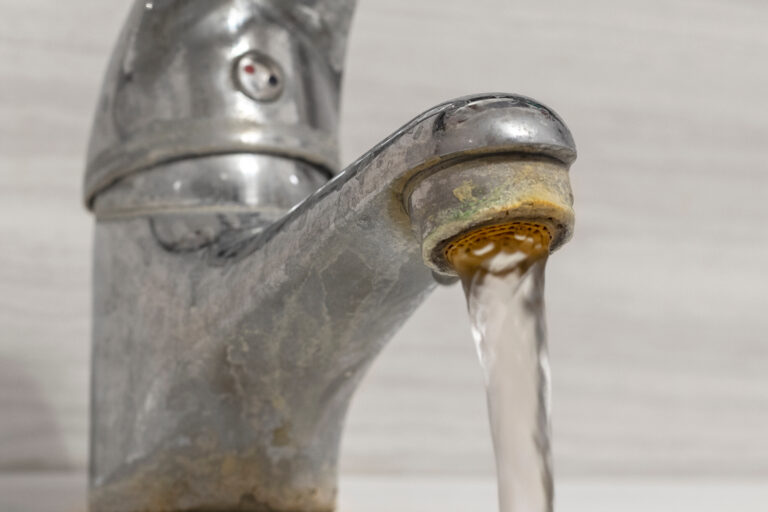
Take a close look at your showerhead or the base of your kitchen faucet. Do you see a white, crusty, or chalky substance? This is limescale (calcium buildup).
- Reduced Flow: This buildup eventually clogs the tiny holes in your showerhead, leading to uneven water pressure.
- Hidden Damage: If you see it on the outside of your fixtures, it is almost certainly building up inside your pipes and water heater as well.
4. Dry, Itchy Skin and Brittle Hair
Hard water is notoriously tough on your body. Because the minerals prevent soap from rinsing away completely, a microscopic layer of residue is left on your skin and hair.
- Skin Irritation: This residue can clog pores and strip away natural moisture, leaving your skin feeling “squeaky” (a sign of dryness) or itchy.
- Hair Health: Hard water can make hair feel straw-like, cause colors to fade faster, and lead to a dry, flaky scalp.
5. Frequent Appliance Repairs or High Energy Bills
Your appliances are often the “canaries in the coal mine” for hard water.
- Dishwashers & Washers: Mineral scale wears down the internal motors and pumps.
- Water Heaters: Hard water creates a layer of sediment at the bottom of the tank. This acts as a barrier between the heating element and the water, forcing the unit to run longer and hotter, which drives up your monthly energy costs and leads to early tank failure.
How to Test for Hard Water in Your Home
If these symptoms sound familiar, it’s time to get a definitive answer. You have two main options:
- DIY Test Kits: These are available at most hardware stores and provide a basic “strip test” to show hardness levels.
- Professional Water Analysis: For the most accurate results, a professional test is best. A specialist can identify the exact “grains per gallon” of hardness and check for other contaminants like iron or chlorine.
Why Addressing Hard Water Matters
Ignoring hard water is an expensive choice. Learn more about how hard water affects your home and appliances and why addressing the problem early can help prevent costly repairs and extend the life of your plumbing system. By treating your water, you protect your plumbing infrastructure, extend the life of your appliances by years, and enjoy the luxury of truly clean skin and soft laundry.
Get a Professional Solution with Crisafulli Bros.
At Crisafulli Bros. Home Services, we don’t believe in one-size-fits-all. Our experts provide comprehensive water testing and can recommend the perfect whole-home water purification system or softener tailored to your home’s specific needs.
Stop scrubbing and start saving. View our Water Treatment Solutions or call us today to schedule your water quality test!